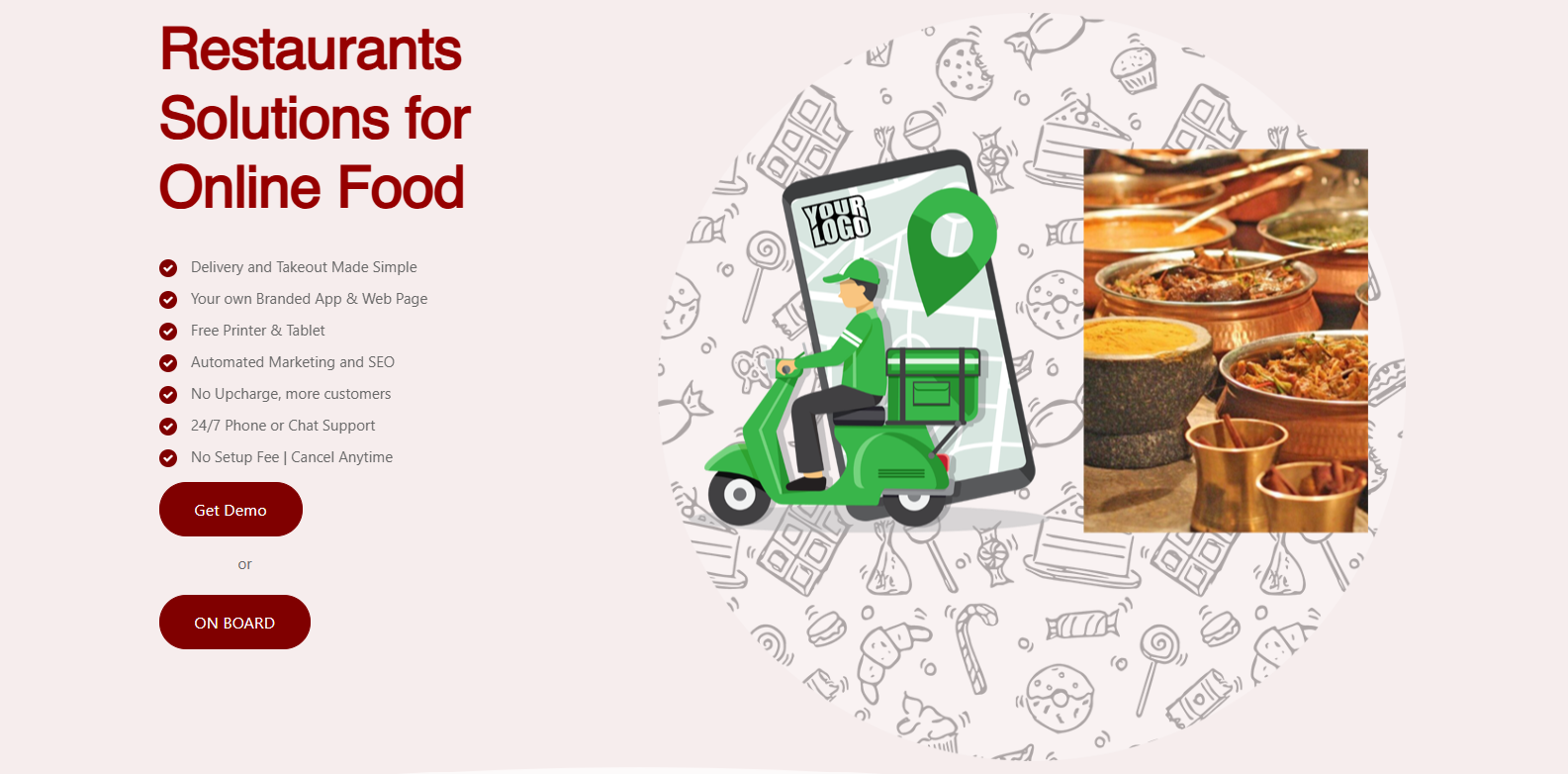
Discover how implementing a restaurant website with online ordering transforms business operations and profitability. Learn why modern restaurants are choosing direct food ordering systems over third-party platforms to retain customers, increase revenue, and maintain control. Explore the essential features of an effective online ordering system that helps restaurants thrive in today’s competitive digital marketplace while keeping profits in-house.
The Digital Shift Reshaping Restaurant Operations
The restaurant industry has undergone a dramatic transformation. Customers now expect seamless digital experiences, from browsing menus to completing transactions. Yet many restaurant owners find themselves trapped in a cycle of paying excessive commissions to third-party platforms while losing direct access to their customer base.
A food ordering system built specifically for your restaurant changes this dynamic entirely. By establishing your own digital presence, you gain control over customer relationships, pricing strategies, and profit margins. This shift represents more than just technology adoption—it’s a fundamental business strategy that determines long-term viability.
Why Third-Party Platforms Drain Restaurant Profits
Traditional food delivery apps charge commissions ranging from 20% to 30% per order. For restaurants operating on thin margins, these fees can mean the difference between profitability and financial struggle. Beyond the immediate cost, these platforms own the customer relationship, making it nearly impossible to build brand loyalty or gather valuable customer insights.
When you invest in a restaurant website with online ordering, you eliminate these middlemen. Your customers order directly from you, and you retain complete control over their experience. This direct connection allows you to:
• Collect customer data and preferences for personalized marketing
• Build email lists for promotional campaigns
• Offer loyalty programs that encourage repeat business
• Adjust pricing without platform restrictions
• Keep 92.5% of every order instead of losing 30%
Essential Components of an Effective Online Ordering System
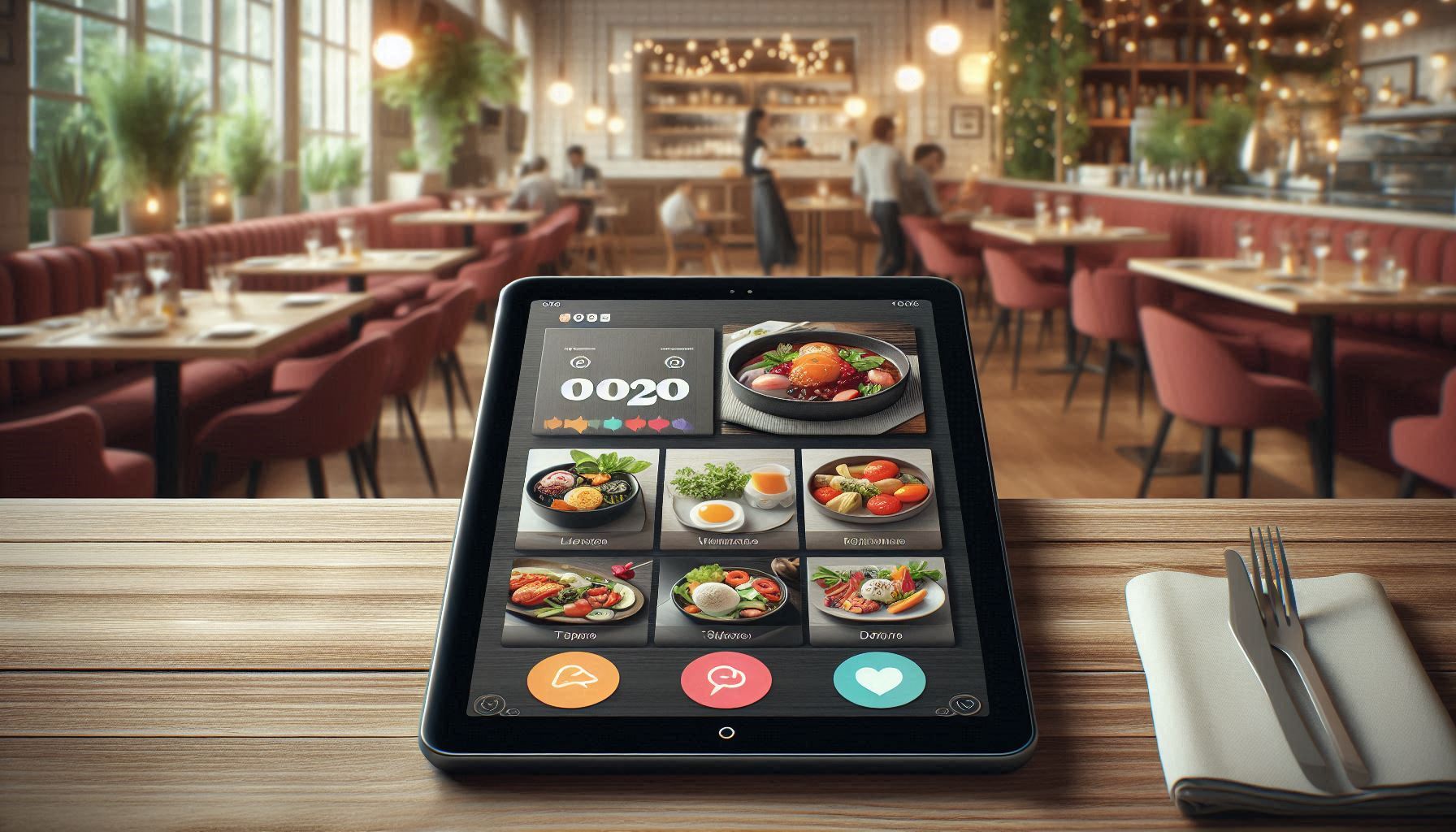
Not all digital solutions deliver equal value. A comprehensive online ordering system must address the practical needs of restaurant operations while providing customers with an intuitive experience.
Mobile-First Design
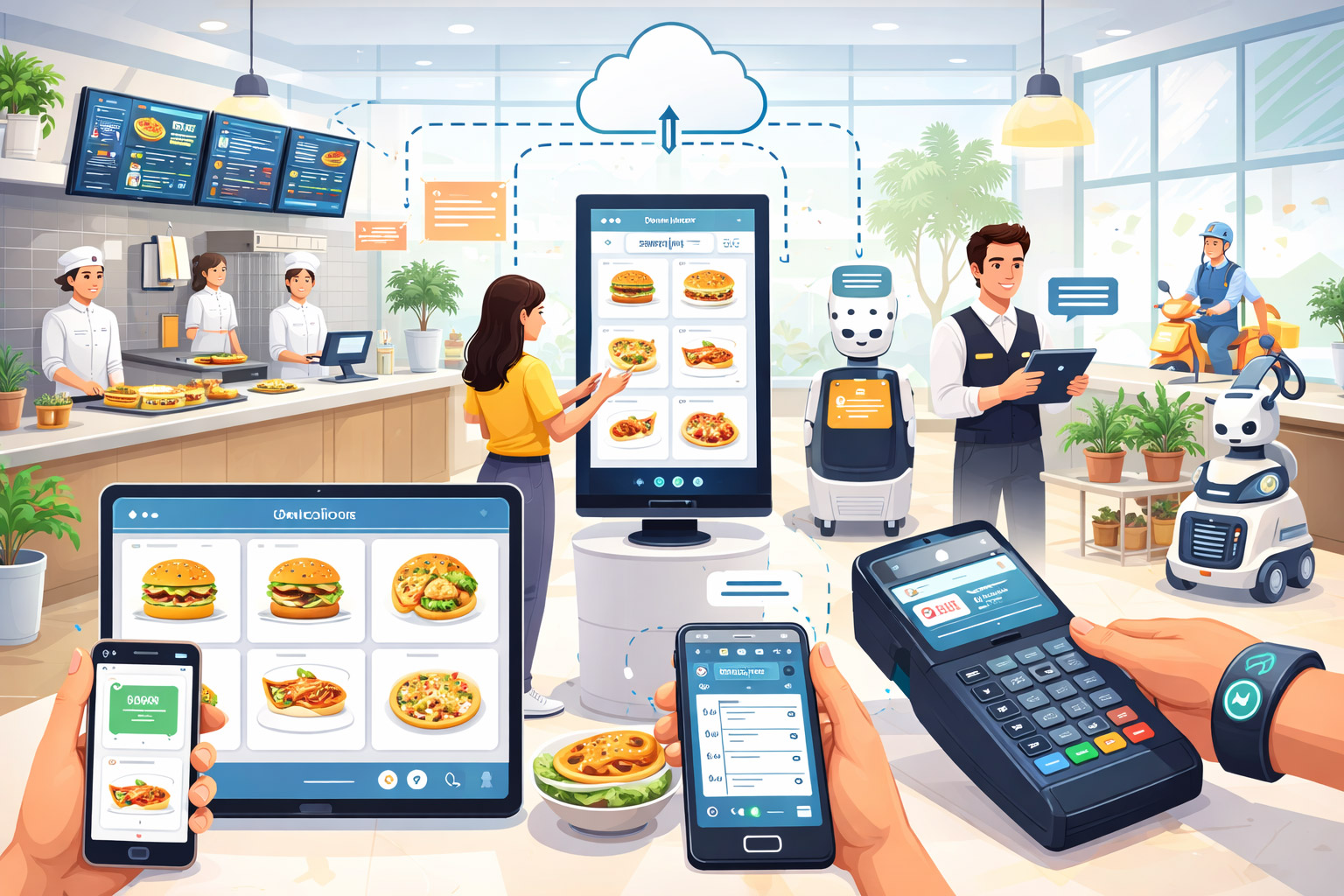
Modern customers order primarily through smartphones. Your ordering platform must function flawlessly on mobile devices, with fast loading times and simple navigation. A dedicated mobile app enhances convenience and keeps your brand visible on customer devices.
Real-Time Order Management
Efficiency matters during busy service periods. Your system should instantly notify staff of new orders through multiple channels—email, SMS, and push notifications. This ensures no order gets missed and customers receive accurate preparation times.
Flexible Fulfillment Options
Customers value choice. Your platform should seamlessly handle both delivery and pickup orders, allowing customers to select their preferred option. This flexibility increases order volume and accommodates different customer needs.
Automated Marketing Tools
Built-in marketing features help you stay connected with customers without additional effort. Automated email campaigns, promotional notifications, and targeted offers drive repeat business and increase average order values.
How Direct Ordering Builds Customer Loyalty
Customer loyalty stems from consistent positive experiences and perceived value. When customers order through your branded platform, they associate quality and convenience directly with your restaurant rather than a generic delivery app.
Your restaurant website with online ordering becomes a powerful branding tool. Customers see your logo, colors, and messaging throughout the ordering process. This consistent brand exposure strengthens recognition and preference.
Loyalty programs integrated into your ordering system reward repeat customers with points, discounts, or exclusive offers. These incentives encourage customers to order directly from you rather than browsing competitor options on third-party platforms.
Financial Impact of Owning Your Ordering Infrastructure
The mathematics of restaurant profitability become significantly more favorable when you control your ordering system. Consider a restaurant processing 100 orders weekly at an average value of $35.
Third-Party Platform Model:
Weekly revenue: $3,500
Platform commission (25%): $875
Net revenue: $2,625
Direct Ordering Model:
Weekly revenue: $3,500
Platform fee (7.5%): $262.50
Net revenue: $3,237.50
The difference of $612.50 weekly translates to approximately $31,850 annually—money that stays in your business rather than funding platform operations.
Technology That Adapts to Your Business Model
Whether you operate a traditional dine-in establishment, a takeout-focused concept, or a cloud kitchen, your food ordering system should accommodate your specific operational model.
Cloud kitchens particularly benefit from robust digital ordering infrastructure. Without a physical storefront, your online presence becomes your primary customer touchpoint. A professional ordering platform establishes credibility and facilitates growth without the overhead of traditional restaurant spaces.
Multi-location operators need systems that scale efficiently. Centralized management tools allow you to oversee multiple locations while maintaining consistent customer experiences across all properties.
Integration Capabilities That Streamline Operations
Modern restaurant technology should work together seamlessly. Your online ordering system must integrate with payment processors, accounting software, and kitchen display systems to create a unified operational ecosystem.
Payment gateway integration ensures secure transactions while supporting multiple payment methods. Customers appreciate flexibility in how they pay, whether through credit cards, digital wallets, or other emerging payment technologies.
Automated reporting provides insights into sales patterns, popular menu items, and customer behavior. These analytics inform menu development, staffing decisions, and marketing strategies.
Support Infrastructure That Protects Your Investment
Technology inevitably encounters issues. When your ordering system experiences problems, responsive support becomes critical. Look for platforms offering 24/7 assistance through multiple channels—phone, chat, and email.
Comprehensive support extends beyond troubleshooting. Quality providers offer training resources, implementation assistance, and ongoing optimization guidance to help you maximize your platform’s value.
Taking the First Step Toward Digital Independence
Transitioning to your own ordering infrastructure might seem daunting, but the process can be straightforward with the right partner. Many modern platforms offer setup assistance, eliminating technical barriers that previously prevented restaurants from establishing direct ordering capabilities.
The investment in a restaurant website with online ordering pays dividends through increased profit margins, stronger customer relationships, and operational control. As customer expectations continue evolving, restaurants that own their digital infrastructure position themselves for sustained success.
Your Restaurant Deserves Better Margins
Every order processed through your own platform strengthens your business foundation. You build equity in customer relationships, accumulate valuable data, and retain profits that fuel growth. The question isn’t whether to establish direct ordering capabilities—it’s how quickly you can implement a system that serves your restaurant’s unique needs.
The restaurant industry rewards those who adapt to changing customer behaviors while maintaining financial discipline. A robust food ordering system delivers both, creating a sustainable competitive advantage that third-party platforms can never replicate.
Recent Posts
-
 A Practical Guide to Choosing the Best Online Ordering System Today
 -
 How Restaurant Online Ordering Systems Boost Revenue and Customer Retention
 -
 Restaurant Ordering System Benefits That Drive Growth and Profitability
 -
 Restaurant Online Ordering Systems That Keep More Money in Your Pocket
 -
 Transform Your Restaurant Business with Custom Online Ordering Solutions