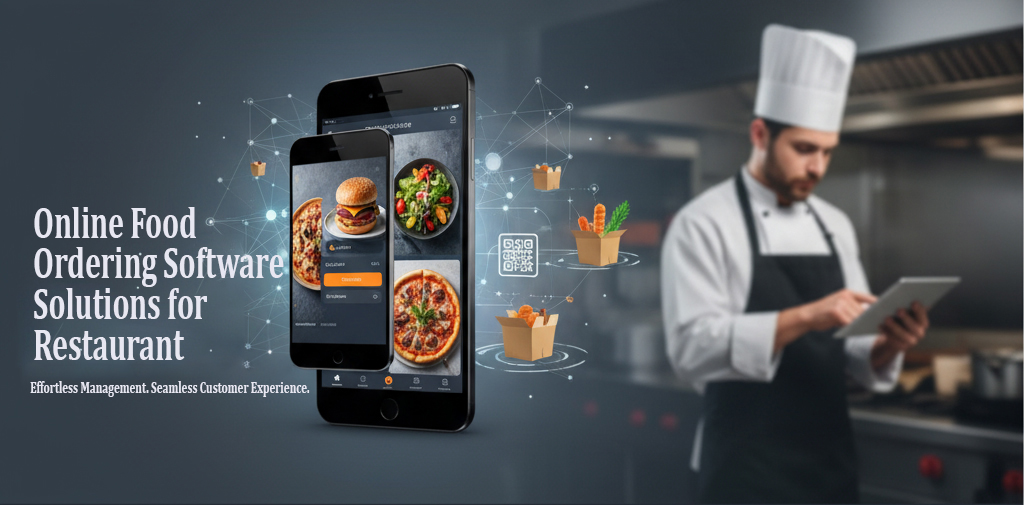
Discover how mobile ordering solutions transform South Asian restaurant operations. GrabKnock provides restaurant mobile ordering systems designed specifically for South Asian cuisine businesses. Learn implementation strategies, customer engagement benefits, and revenue optimization through professional South Asian restaurant technology solutions. Explore features including branded apps, web ordering, automated marketing, and seamless payment integration that help restaurants retain profits while delivering exceptional customer experiences.
Understanding Mobile Ordering Impact on South Asian Restaurant Business
The restaurant industry experiences rapid digital transformation. South Asian restaurants face unique challenges balancing traditional hospitality with modern customer expectations. Customers demand convenience, speed, and accessibility when ordering their favorite biryani, curry, or tandoori dishes. A mobile ordering solution for restaurant businesses addresses these needs while preserving the authentic dining experience that defines South Asian cuisine.
Traditional phone ordering creates bottlenecks during peak hours. Staff members juggle multiple tasks—taking orders, managing tables, and coordinating kitchen operations. Miscommunication leads to incorrect orders, frustrated customers, and lost revenue. Digital ordering eliminates these friction points by streamlining the entire process from order placement to fulfillment.
Core Components of Effective Restaurant Mobile Ordering Systems
A robust restaurant mobile ordering system includes several essential elements that work together seamlessly:
Customer-Facing Features:
- Branded mobile applications for iOS and Android platforms
- Responsive web ordering interfaces accessible from any device
- Real-time menu updates with pricing and availability
- Secure payment gateway integration supporting multiple methods
- Order tracking capabilities with status notifications
Restaurant Management Tools:
- Centralized dashboard for order monitoring and confirmation
- Automated email and SMS notifications for new orders
- Customer database management for personalized marketing
- Detailed analytics covering daily, weekly, and monthly performance
- Inventory management integration to prevent overselling
Operational Benefits:
- Reduced phone call volume during busy periods
- Minimized order errors through direct customer input
- Faster order processing and kitchen preparation times
- Enhanced customer data collection for targeted promotions
- Lower operational costs compared to third-party platforms
Why South Asian Restaurants Benefit from Dedicated Technology Solutions
South Asian restaurant technology solutions must accommodate specific business requirements. Menu complexity presents the first challenge. South Asian cuisine offers extensive customization options—spice levels, protein choices, bread varieties, and accompaniments. Generic ordering systems struggle to represent these options clearly.
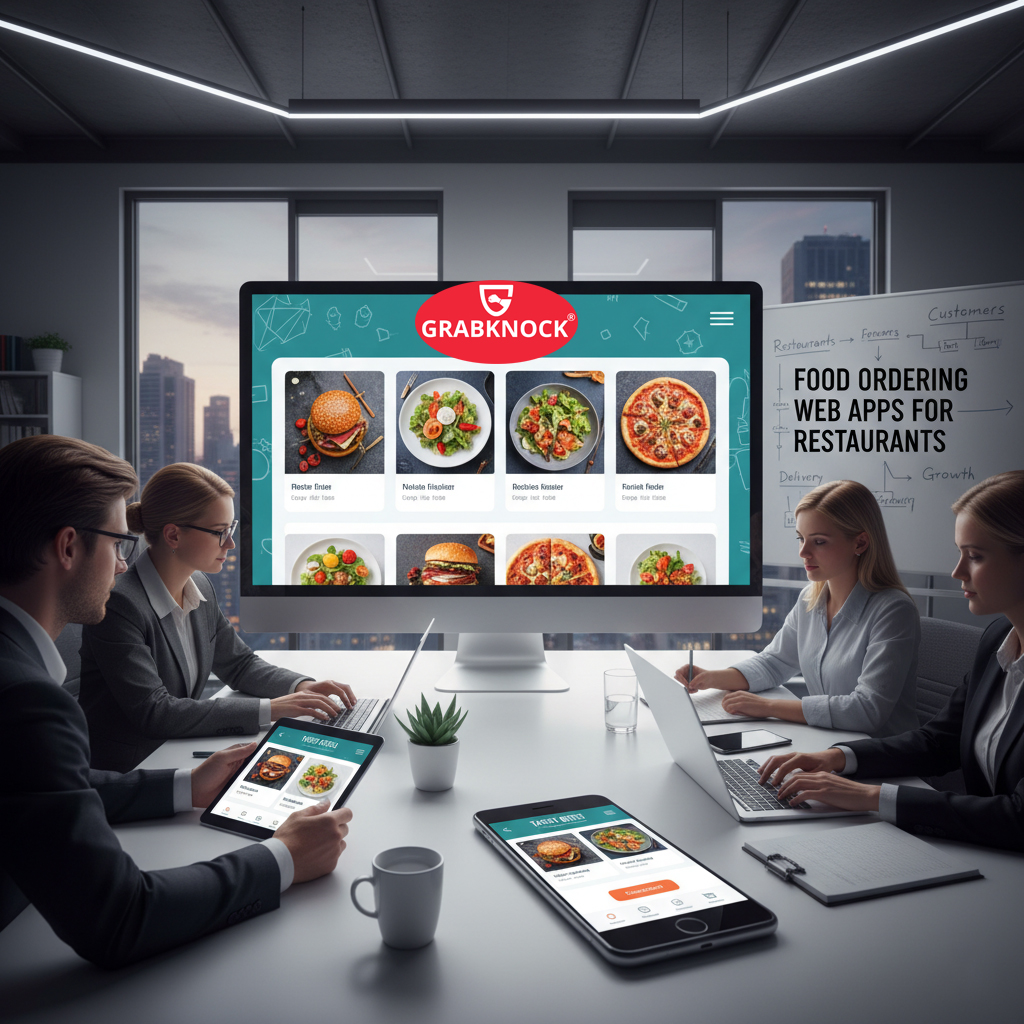
Cultural considerations matter significantly. Many South Asian restaurants serve diverse communities with varying dietary preferences and restrictions. Vegetarian, vegan, halal, and Jain options require clear labeling and separation. Advanced filtering capabilities help customers find suitable dishes quickly.
Family-style ordering patterns differ from typical Western dining. South Asian customers frequently place large orders for gatherings, celebrations, and religious occasions. The system must handle bulk orders efficiently while maintaining accuracy across multiple items and customizations.
Building Direct Customer Relationships Through Branded Platforms
Third-party delivery platforms charge substantial commissions, often reaching 30% per order. These fees erode profit margins significantly. Restaurants lose direct access to customer data, preventing relationship building and repeat business cultivation.
Branded applications and websites establish direct communication channels. Restaurants own customer information, enabling personalized marketing campaigns. Push notifications announce special offers, new menu items, and seasonal promotions directly to customer devices.
Customer loyalty programs integrate seamlessly with proprietary platforms. Points-based rewards, referral bonuses, and exclusive discounts encourage repeat orders. These strategies prove more cost-effective than constantly acquiring new customers through paid advertising.
Implementation Strategy for Mobile Ordering Success
Successful implementation requires careful planning and execution. Start by evaluating current operational workflows. Identify pain points in existing order management processes. Determine which features address specific business challenges.
Staff training ensures smooth adoption. Team members must understand how to receive orders, confirm them promptly, and communicate with customers when necessary. Clear protocols for handling special requests, modifications, and delivery coordination prevent confusion.
Menu optimization improves customer experience. High-quality food photography showcases dishes attractively. Detailed descriptions help customers make informed choices. Logical categorization and search functionality enable quick navigation through extensive menus.
Marketing efforts drive adoption among existing customers. In-store signage, table tents, and receipt inserts promote the new ordering channels. Social media campaigns demonstrate the convenience and benefits. Introductory discounts incentivize first-time app users.
Measuring Success and Optimizing Performance
Analytics provide valuable insights into customer behavior and business performance. Track key metrics including:
- Order volume trends across different time periods
- Average order value and customer lifetime value
- Popular menu items and underperforming dishes
- Peak ordering times and capacity planning needs
- Customer acquisition costs versus retention rates
- Platform usage patterns between mobile app and web ordering
Regular data analysis reveals opportunities for improvement. Adjust menu offerings based on popularity. Schedule staff appropriately for anticipated order volumes. Refine marketing messages to resonate with target audiences.
Customer feedback mechanisms identify areas needing attention. In-app ratings and review prompts gather opinions immediately after order fulfillment. Address negative feedback promptly to maintain reputation and customer satisfaction.
Technical Considerations for Seamless Operations
Reliable technology infrastructure prevents disruptions. Internet connectivity must remain stable during business hours. Backup systems ensure order reception continues even during technical difficulties. Regular software updates maintain security and introduce new features.
Payment processing security protects customer financial information. PCI-DSS compliance standards must be met. Multiple payment options accommodate customer preferences—credit cards, debit cards, digital wallets, and cash on delivery.
Integration capabilities extend functionality. Connect with existing POS systems to synchronize inventory and sales data. Link accounting software for streamlined financial management. Coordinate with delivery management tools for efficient logistics.
Elevate Your Restaurant Business with Smart Ordering Technology
The competitive landscape demands innovation and adaptation. South Asian restaurants that embrace mobile ordering solutions for restaurants position themselves for sustainable growth. Direct ordering platforms reduce costs, increase profits, and strengthen customer relationships.
Technology serves as an enabler, not a replacement for hospitality. The warmth and authenticity that define South Asian dining experiences remain central. Digital tools simply remove barriers between restaurants and customers, making exceptional food more accessible.
Investment in proper restaurant mobile ordering systems delivers measurable returns. Increased order volume, higher average tickets, and improved operational efficiency contribute to bottom-line growth. South Asian restaurant technology solutions tailored to specific business needs provide competitive advantages in crowded markets.
The question is not whether to adopt mobile ordering, but how quickly restaurants can implement effective solutions. Customer expectations continue rising. Restaurants that meet these expectations thrive while others struggle to maintain relevance.
Recent Posts
-
 A Practical Guide to Choosing the Best Online Ordering System Today
 -
 How Restaurant Online Ordering Systems Boost Revenue and Customer Retention
 -
 Restaurant Ordering System Benefits That Drive Growth and Profitability
 -
 Restaurant Online Ordering Systems That Keep More Money in Your Pocket
 -
 Transform Your Restaurant Business with Custom Online Ordering Solutions