Discover how online ordering platforms for restaurants help food businesses retain 92.5% of revenue. GrabKnock offers branded apps, web ordering, automated marketing, and zero setup fees. Learn why direct ordering systems outperform third-party marketplaces for independent restaurants.
The restaurant industry faces mounting pressure from third-party delivery platforms that consume up to 30% of every order. Independent restaurant owners struggle to maintain profitability while competing in an increasingly digital marketplace. Direct online ordering platforms for restaurant businesses offer a strategic alternative that preserves revenue, builds customer relationships, and establishes long-term sustainability.
The Hidden Cost of Third-Party Marketplaces
Traditional food delivery apps charge substantial commissions that erode profit margins. A $50 order can cost restaurants $15 in fees before accounting for food costs, labor, and overhead. These platforms also control customer data, preventing restaurants from building direct relationships with their patrons. The financial impact compounds over time, making it difficult for independent establishments to invest in quality ingredients, staff training, or facility improvements.
Online ordering systems for restaurants eliminate these intermediaries. By implementing direct ordering channels, restaurants retain control over pricing, customer information, and brand presentation. The 7.5% transaction fee model offered by platforms like GrabKnock represents an 75% reduction in commission costs compared to traditional delivery apps.
Building Your Digital Restaurant Infrastructure
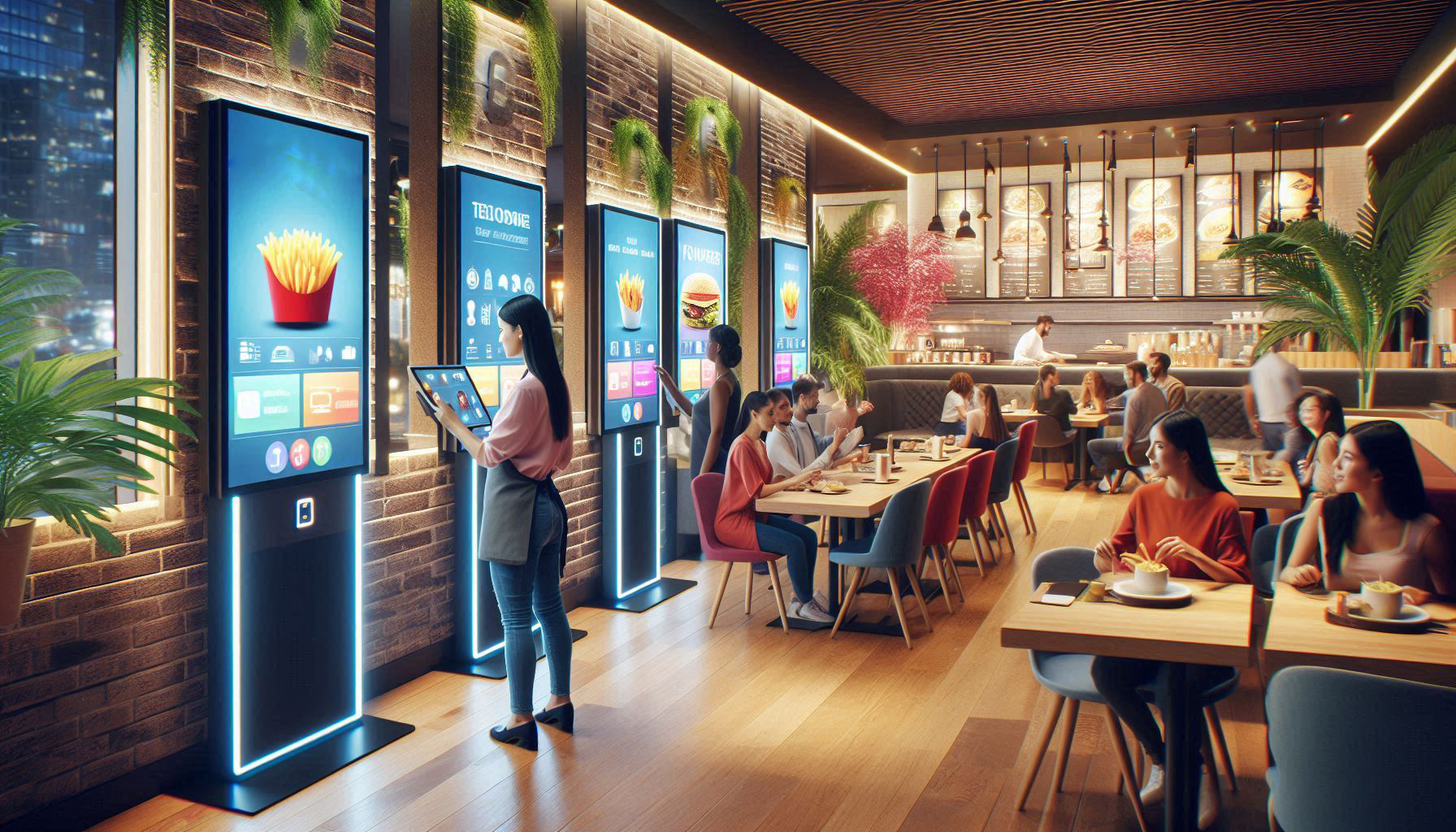
Modern consumers expect seamless digital experiences. A professional online ordering system for restaurants must deliver functionality across multiple channels:
• Branded mobile applications that reflect your restaurant’s unique identity
• Web ordering interfaces accessible from any device or browser
• Real-time order management with instant email and SMS notifications
• Customer data ownership enabling targeted marketing campaigns
• Flexible fulfillment options supporting both delivery and pickup
These components work together to create a cohesive digital ecosystem. Customers download your branded app or visit your website directly, bypassing third-party platforms entirely. Orders flow immediately to your kitchen through tablets or printers, while automated systems handle confirmation messages and status updates.
Revenue Retention Through Direct Ordering
The mathematics of direct ordering are compelling. Restaurants using online ordering apps for restaurants keep 92.5% of every transaction when using GrabKnock’s model. This dramatic improvement in unit economics allows businesses to:
• Invest in premium ingredients that differentiate menu offerings
• Expand marketing budgets to attract new customers
• Improve staff compensation and reduce turnover
• Upgrade equipment and facilities
• Build financial reserves for expansion or emergencies
The absence of monthly fees further enhances profitability. Traditional software subscriptions create fixed costs regardless of sales volume. Performance-based pricing aligns platform costs with actual revenue, protecting restaurants during slower periods while scaling proportionally during growth phases.
Automated Marketing Drives Repeat Business
Customer acquisition costs money. Retaining existing customers generates sustainable revenue. Online ordering platforms for restaurant operations should include marketing automation that nurtures customer relationships without manual effort.
Push notifications remind customers about your restaurant when they’re deciding where to eat. Email campaigns promote new menu items, seasonal specials, or limited-time offers. Loyalty programs reward frequent orders, encouraging customers to choose your restaurant over competitors. These automated systems work continuously, generating orders while you focus on food quality and service excellence.
Search engine optimization ensures potential customers discover your restaurant when searching for cuisine types or dining options in your area. Properly configured web ordering pages rank in local search results, capturing high-intent traffic from people actively looking to place orders.
Operational Efficiency Through Technology
Managing orders across phone calls, walk-ins, and multiple delivery platforms creates chaos during peak hours. Consolidated online ordering systems for restaurants centralize all orders into a single management interface.
Kitchen staff view incoming orders on tablets or printed tickets, eliminating miscommunication from phone orders. Preparation times adjust automatically based on current order volume, setting accurate customer expectations. Inventory tracking prevents overselling items that have sold out, reducing customer disappointment and wasted preparation time.
Customer management features store order history, preferences, and contact information. This data enables personalized service that builds loyalty. Recognizing repeat customers and remembering their favorite dishes creates memorable experiences that drive word-of-mouth referrals.
Financial Transparency and Control
Weekly, monthly, and yearly reports provide visibility into business performance. Understanding which menu items generate the highest margins, which marketing channels drive the most orders, and which time periods produce peak revenue enables data-driven decision making.
Everyday payout options improve cash flow management. Rather than waiting weeks for payment processing, restaurants access their earnings immediately. This liquidity supports daily operations, vendor payments, and unexpected expenses without relying on credit lines or reserves.
Payment gateway integration supports multiple processors, giving restaurants flexibility in choosing financial partners. Competitive processing rates and transparent fee structures eliminate hidden costs that erode profitability.
Implementation Without Disruption
Launching online ordering apps for restaurants should not interrupt existing operations. Zero setup fees remove financial barriers to adoption. Free tablets and printers eliminate equipment costs. The absence of long-term contracts allows restaurants to evaluate platform performance without risk.
Technical support available 24/7 through phone or chat ensures problems get resolved quickly. Whether troubleshooting order issues, adjusting menu settings, or configuring delivery zones, expert assistance prevents technology from becoming an operational burden.
The platform handles app store submissions, ensuring your branded application appears in Google Play and other marketplaces. Customers discover and download your app through standard channels, building your digital presence without requiring technical expertise.
Taking Control of Your Restaurant’s Future
Third-party platforms served a purpose when restaurants lacked digital capabilities. Today, accessible technology empowers independent operators to compete directly. Online ordering platforms for restaurant businesses level the playing field, allowing small establishments to offer the same convenience as large chains while maintaining their unique character.
Your restaurant’s success depends on controlling your customer relationships, protecting your profit margins, and building sustainable operations. Direct ordering systems provide the infrastructure needed to thrive in an increasingly digital marketplace. The question is not whether to adopt these tools, but how quickly you can implement them to capture the competitive advantages they provide.
Every order placed through a third-party platform represents lost revenue and a missed opportunity to build customer loyalty. Every day without a direct ordering system allows competitors to capture market share. The technology exists, the economics are proven, and the implementation is straightforward. Your restaurant deserves to keep the profits it earns while delivering the digital experiences customers expect.
Recent Posts
-
 A Practical Guide to Choosing the Best Online Ordering System Today
 -
 How Restaurant Online Ordering Systems Boost Revenue and Customer Retention
 -
 Restaurant Ordering System Benefits That Drive Growth and Profitability
 -
 Restaurant Online Ordering Systems That Keep More Money in Your Pocket
 -
 Transform Your Restaurant Business with Custom Online Ordering Solutions